
The Future of AI Hardware: Powering Insurance Transformation Through Data, Risk, and Real-Time Intelligence
Introduction
Artificial Intelligence (AI) is no longer an experiment in the insurance industry — it’s a strategic necessity. From underwriting to fraud detection to IoT-driven risk management, insurers are increasingly relying on AI to stay competitive.
But behind every model, every real-time decision, and every predictive insight lies a critical enabler: AI hardware.
As the demand for faster processing, lower latency, greater scalability, and energy efficiency grows, AI hardware is becoming the invisible backbone of the insurance industry’s digital transformation. This blog explores the future of AI hardware, its key trends, and its role in reshaping insurance through IoT, ESG reporting, and risk intelligence.
🔍 What Do We Mean by AI Hardware?
AI hardware includes:
GPUs (Graphics Processing Units): Parallel computing power for training and inference.
TPUs (Tensor Processing Units): Google’s specialized chips optimized for deep learning.
ASICs (Application-Specific Integrated Circuits): Chips designed for narrow AI workloads.
FPGAs (Field Programmable Gate Arrays): Flexible, reconfigurable chips for adaptable AI tasks.
Edge AI devices: Low-power processors embedded in IoT sensors and gateways.
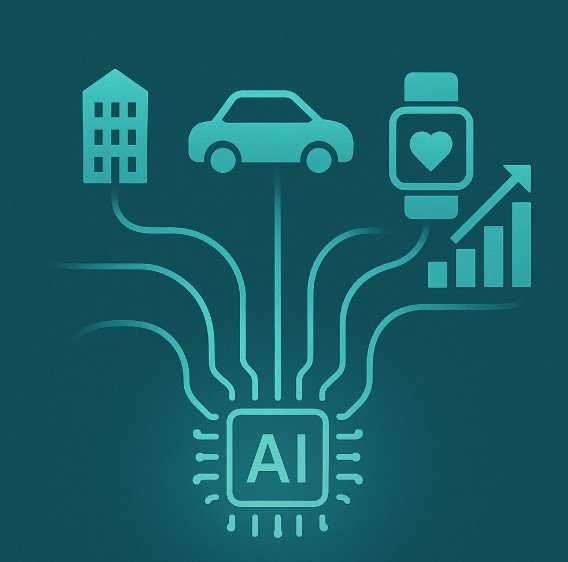
In insurance, the rise of edge + cloud hybrid AI hardware ecosystems is enabling real-time decision-making at scale.
🌐 Latest Global Trends in AI Hardware (2025 and Beyond)
1. Edge AI Hardware for IoT Insurance
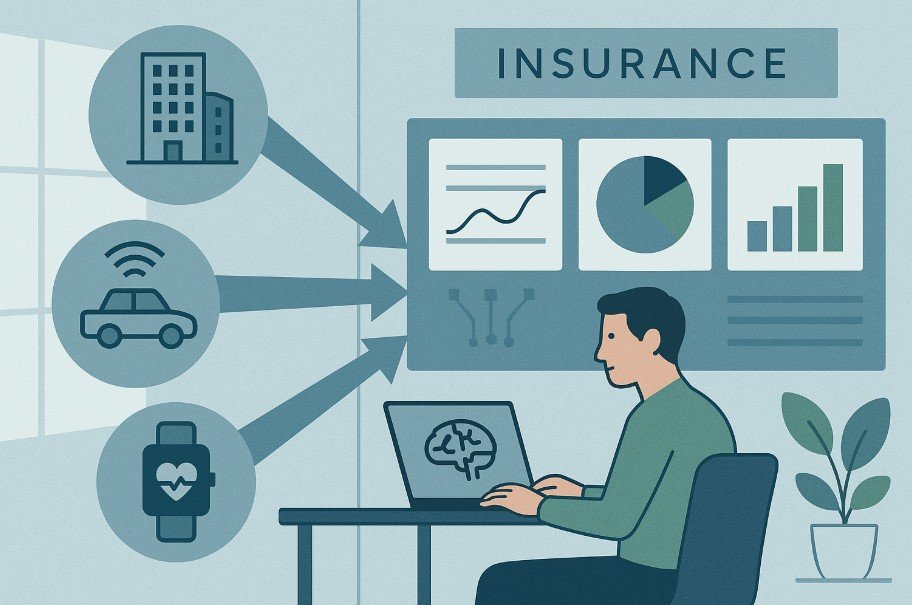
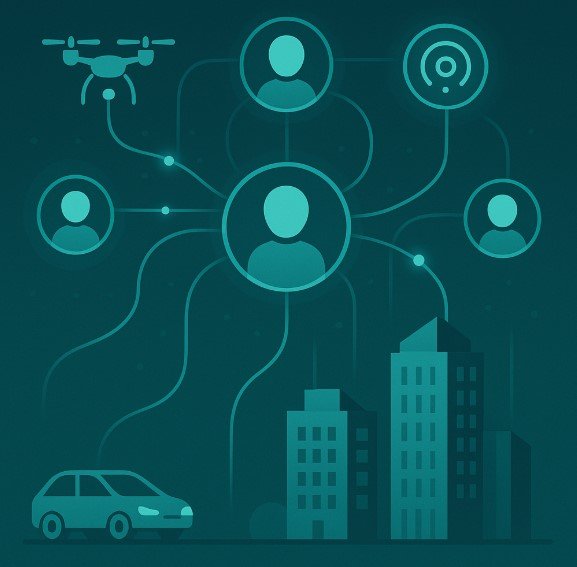
Insurance IoT is exploding — from smart buildings to auto telematics to health wearables.
Edge AI hardware allows devices to process data locally for faster anomaly detection, reducing cloud dependency.
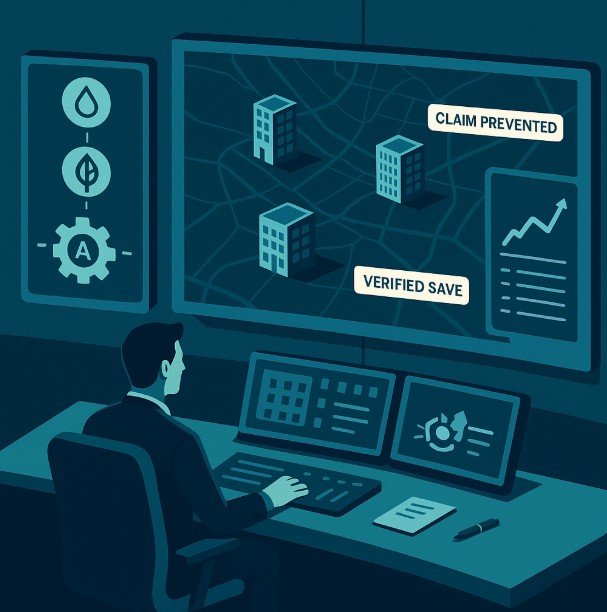
Example: A leak detector in a building processes data locally to shut off water before major damage occurs, feeding verified events to insurers.
2. Neuromorphic Chips for Energy-Efficient Risk Modeling
Inspired by the brain, neuromorphic chips consume less energy while handling complex, parallel workloads.
Insurance companies need to process millions of IoT signals per second; neuromorphic designs make it sustainable.
3. Quantum AI for Insurance Simulation
Quantum processors are still early, but their potential for Monte Carlo simulations (used in actuarial modeling) is enormous.
Example: Portfolio risk evaluation across climate, economic, and operational scenarios.
4. AI Hardware for Generative & Multi-Modal AI
Generative AI in insurance requires massive compute for document automation, customer chatbots, and claims analysis.
GPUs and TPUs are increasingly optimized for multi-modal AI (text, image, sensor data integration).
5. Sustainable & ESG-Oriented Hardware
Hardware must align with sustainability mandates.
Cloud providers are shifting to carbon-neutral data centers with specialized chips to reduce power consumption.
For insurers reporting under CSRD/TCFD, this matters for both operational ESG metrics and brand positioning.
6. Hardware-as-a-Service (HaaS)
Insurers are moving away from owning servers to on-demand AI hardware capacity.
Hyperscalers like AWS, Azure, and Google Cloud now offer dedicated AI chip access, aligning cost with demand.
📊 Research & Market Outlook
IDC (2025): AI hardware market projected to reach USD 250 billion by 2030, driven by edge AI and generative workloads.
McKinsey (2024): Edge AI deployments will account for >50% of IoT analytics in insurance, healthcare, and logistics by 2027.
Gartner (2024): By 2030, AI-specialized chips will dominate 80% of all data center upgrades.
Allied Market Research (2024): Neuromorphic computing is expected to grow at a CAGR of 85% in enterprise risk sectors.
🏢 The Role of AI Hardware in Insurance
1. Underwriting at Speed
AI hardware accelerates model training and inference.
Insurers can evaluate complex datasets (credit, climate, IoT signals) in seconds rather than hours.
2. Real-Time Claims Processing
Hardware enables edge processing in claims: image recognition for car damage, water leak verification, medical scans.
Fraud detection AI models run faster and more effectively.
3. IoT-Driven Risk Prevention
With billions of sensors, insurers need low-latency, high-throughput chips to analyze streams.
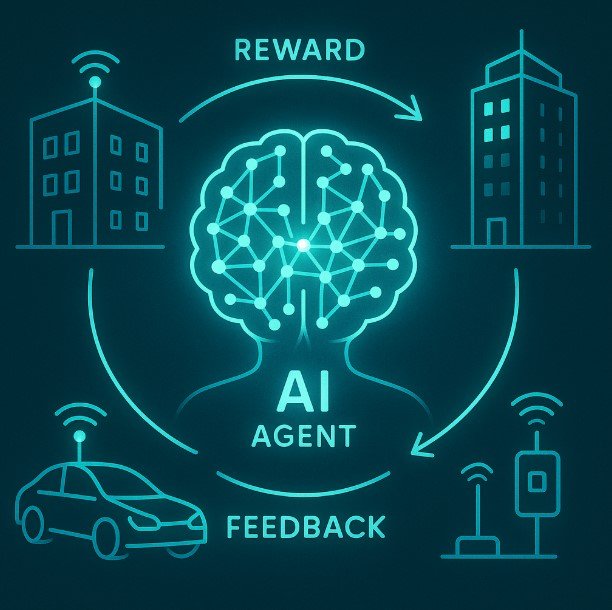
AI hardware allows IoT + AI agents to intervene proactively.
4. Personalized Insurance Products
Real-time hardware-powered AI enables dynamic premium pricing based on driving, health, or building performance.
5. ESG & Compliance
Insurance companies can run large-scale ESG models faster with energy-efficient AI chips.
Example: ESG IoT data (energy, water, CO₂) aggregated in near real time for reporting.
⚙️ Challenges Ahead
Cost of Specialized Hardware
High-performance chips are expensive; insurers must weigh ROI.
Skills Gap
Hardware requires engineers with domain + AI expertise.
Interoperability
Need standards for IoT + insurance integration.
Sustainability
Data centers consume significant energy; neuromorphic/quantum must balance ESG.
✅ Conclusion
The future of insurance is powered by AI hardware. From underwriting to claims to IoT-driven prevention, specialized chips are making it possible to analyze complex risks in real time, personalize products, and align with ESG commitments.
As insurers prepare for the next decade, their competitive edge won’t just come from algorithms, but from the hardware infrastructure that runs them.
Make Your Business Online By The Best No—Code & No—Plugin Solution In The Market.
30 Day Money-Back Guarantee
Say goodbye to your low online sales rate!
Q1: Why does AI hardware matter for insurers?
A1: Insurance depends on massive data analysis. AI hardware allows real-time, scalable, and efficient risk modeling.
Q2: Will insurers need quantum hardware soon?
A2: Quantum is early-stage, but pilots for actuarial simulations are promising. Most insurers will rely on GPUs/TPUs until 2030.
Q3: How does hardware impact ESG reporting?
A3: Efficient chips reduce energy use, aligning operations with ESG frameworks — a regulatory and reputational win.
Q4: Can AI hardware lower claims fraud?
A4: Yes — by enabling faster, more accurate analysis of images, documents, and IoT events.
Q5: Is AI hardware only for large insurers?
A5: No — cloud-based Hardware-as-a-Service democratizes access, enabling even smaller insurers to deploy advanced models.